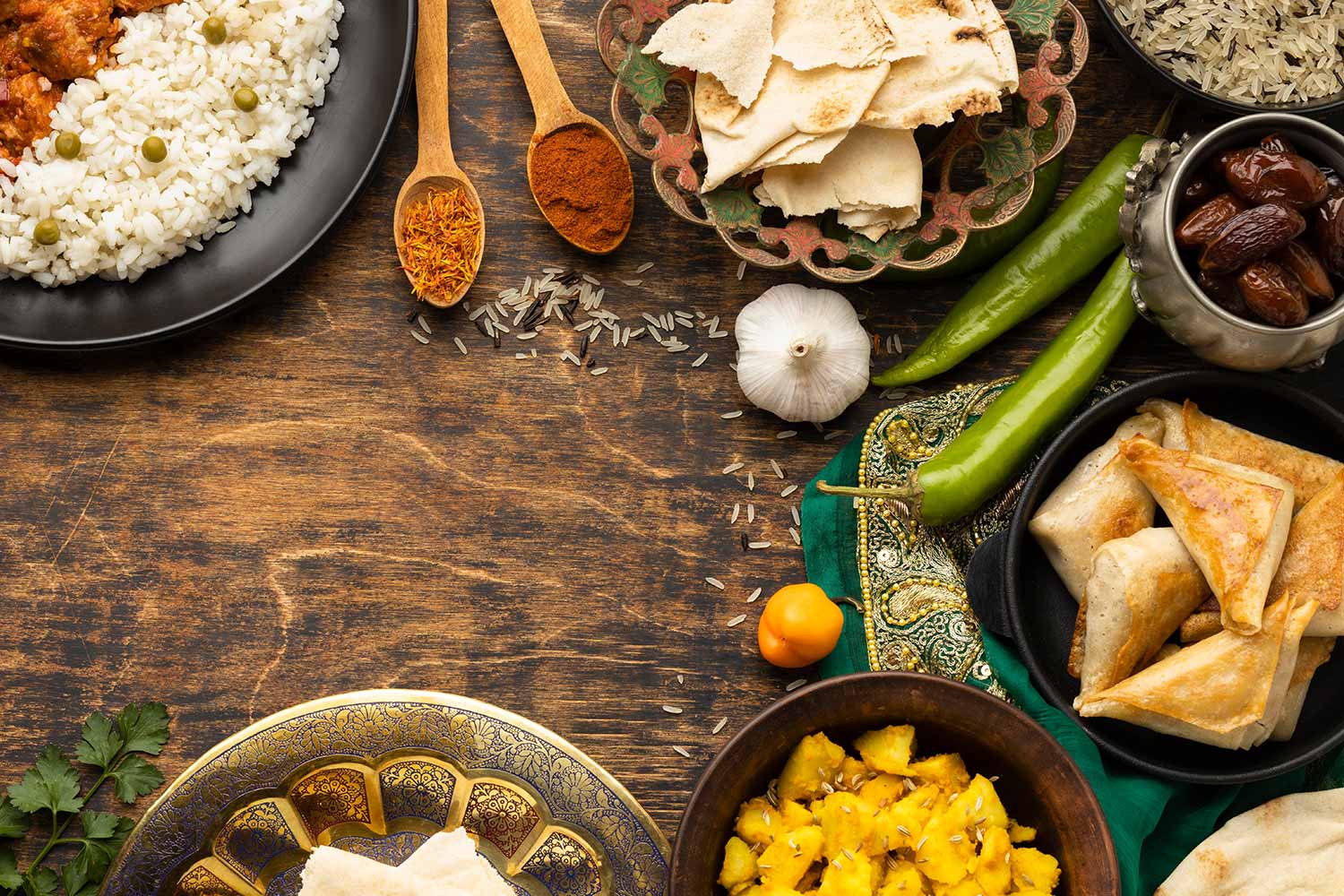
As I walk into any supermarket these days, I see abundance—rows of rice, spices, and packaged foods. Yet, beneath this abundance something has quietly gone amiss.
India once cultivated thousands of varieties of rice, pulses, and spices—each adapted to local climate, soil, and ingrained in local cultural and tradition. Every region had its own food identity. The rice we ate growing up in northern Bihar was different from the delectable and flavorful rice that my mother ate, growing up in Kolkata. She would also tell us about the aroma and taste of the unique rice varieties grown on my grandfather’s small farm. Food was not just for satiating hunger. It embodied culture, and built beautiful memories.
Over the past few decades, this diversity has been steadily vanishing.
Green revolution and industrial agriculture prioritized yield over diversity. Modern supply chains and market systems demanded uniformity in order to gain scale, forcing the farmers to gradually shift away from myriad traditional varieties to a handful of high-yielding ones. Today, what I see on most shelves are standardized, commoditized foods—consistent, but often devoid a unique taste and character.
This shift has had deeper consequences.
We have lost flavors that defined regional cuisines. Farming has become more expensive and less resilient, trapping millions of farmers in low-value commodities. Farmers have lower income security, while consumers have to sacrifice their dietary diversity.
But a shift is happening.
Across the world, people are rediscovering foods with identity—single-origin coffee, Wild Honey, Pahadi Rajma, Millets etc. Conscious consumers are beginning to ask: Where does my food come from? Who grew it? What inputs have gone into producing my food, and how to ensure that the food we eat not only tastes good, but is nutritious.
We see an extraordinary opportunity here.
Much of our food heritage is still preserved in pockets, in remote regions, and in the knowledge of farming communities. It is not lost, but it is at risk.
Reviving this heritage is not just about nostalgia. It is about building a more diverse, resilient, and meaningful food system—one that values farmers, ecosystems, and culture.
This is the idea behind PRAMONO.
We are working to bring back traditional crop varieties—from aromatic rice grown in different regions to specialty spices cultivated in unique agro-climatic conditions—and connect them to modern consumers.
Because food should not just fill us.
It should tell us where we come from, and bring back beautiful memories of taste, aroma and texture satiating all the senses.
PRAMONO: Pure Foods from the Roots!!!
#heritagefood #aromaticrice #foodtraditions #pramono #natural #purefood #